Wired Rako
Suited to projects where control cabling, central equipment and keypad locations can be coordinated before walls and ceilings close.

Services
Approved Rako installer and distributor with more than 20 years installing and repairing Rako in London. Wired, wireless and retrofit lighting control.
Approved Rako installer and distributor
London Electricals is an approved Rako installer and distributor. For more than 20 years we have designed, wired, programmed and repaired Rako lighting control in London homes and businesses, from a single room retrofit to racks of RAK-4 modules running a whole house.
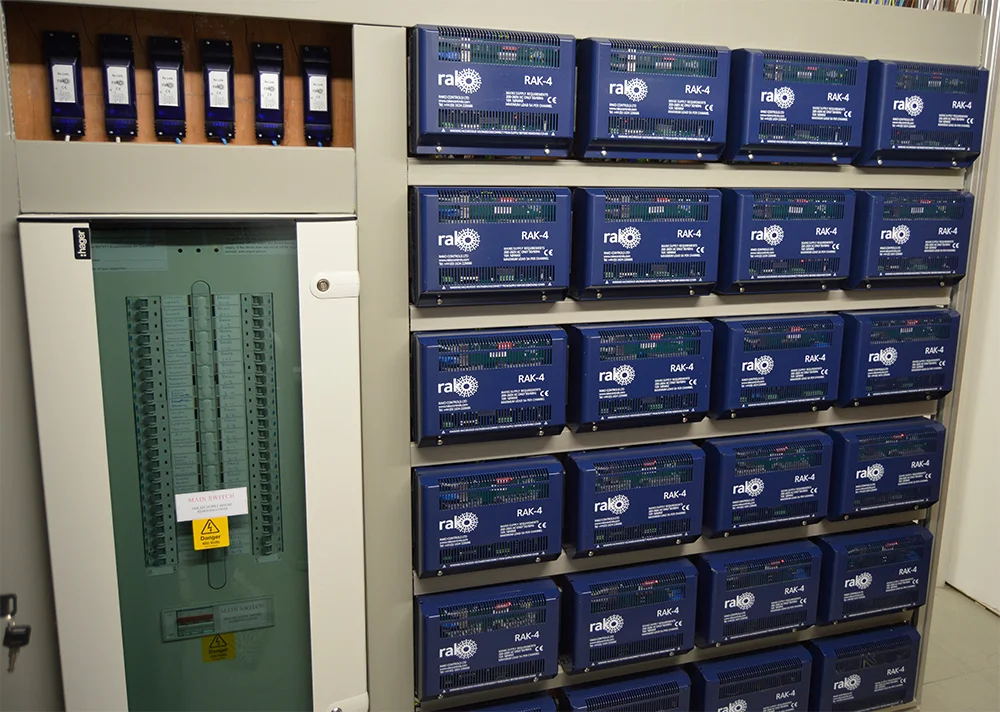
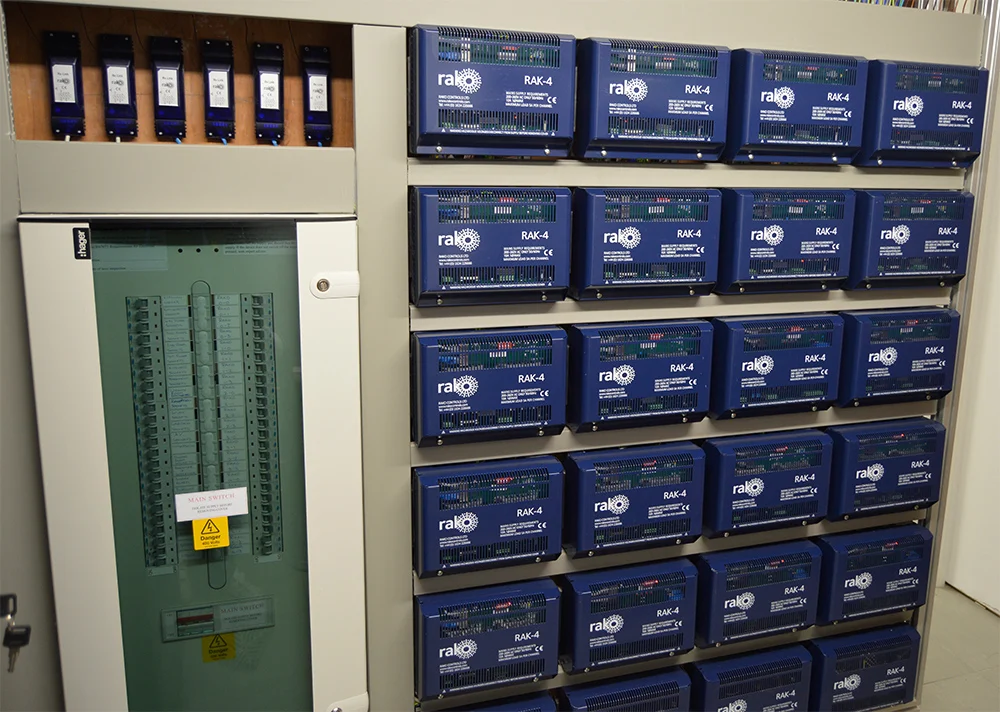
A Rako system is only as good as its wiring, module choice and programming. We design the circuit loads, choose between RAK-4, RAK-8 and wireless modules, build tidy, labelled racks and program every scene with you. This rack of RAK-4 modules is one we built for a client.
Suited to projects where control cabling, central equipment and keypad locations can be coordinated before walls and ceilings close.
Useful for retrofit work where local modules and wireless controls can reduce disruption, with the wiring, fittings and radio layout coordinated by our team.
A considered mix can serve a partial refurbishment, extension or difficult area while retaining one documented control journey.
Wireless Rako modules and keypads can replace your existing dimmers and switches, so most rooms can be upgraded without chasing walls. Wired and wireless Rako work together, so a later extension or refurbishment joins the same scenes.
We match Rako controls with your chosen lights and drivers for smooth dimming across the room. Phase control, DALI, 0–10 V and switched lighting are coordinated in the design with the appropriate modules and interfaces.
During commissioning, we test the circuits and fine-tune the levels, transitions and scenes. That attention to detail turns individual fittings into a complete lighting experience.
Central dimming racks for wired installations, with each channel matched to its lighting load and driver.
In-wall and ceiling modules for retrofit work, controlled by radio with no new cabling between rooms.
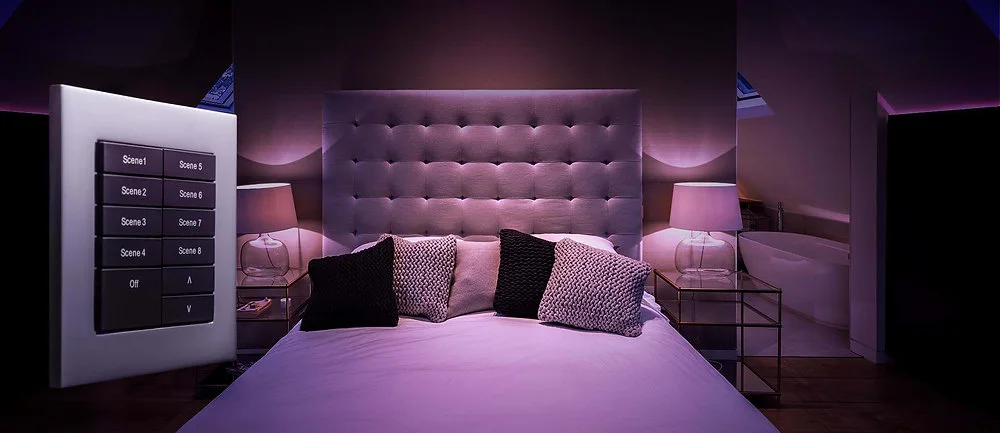
Rako keypads in a range of finishes, engraved with the scenes you use in each room.
A Rako bridge or hub puts your lighting on your phone and links it to blinds, curtains and wider smart-home control.
Every project is designed and quoted individually, but as a guide for premium installations:
Your proposal itemises the modules, keypads, programming and installation, so you can see exactly where the budget goes.
Confirm the property, project stage, circuits, loads, fittings, drivers, controls, blinds and required scenes.
Choose the wired, wireless or hybrid architecture; define modules, interfaces, access, wiring and responsibilities.
Fit and identify the agreed equipment, address rooms and channels, and build understandable keypad and app journeys.
Test every circuit through its operating range, refine scenes, verify integrations and retain the current configuration and ownership record.
Flashing lights, keypads that no longer respond or a module that has failed? We diagnose and repair Rako faults and take over systems from installers who are no longer available. Visit our Rako repairs service, or buy Rako modules and keypads from us as an approved distributor. Weighing up options? Read Rako vs Lutron.
We install and repair Rako across London, including Islington, Highbury, Hampstead, Highgate, Swiss Cottage, St John’s Wood, Marylebone, Kensington, Chelsea, Knightsbridge and Mayfair, and in the Home Counties.
Yes. London Electricals is an approved Rako installer and distributor, and we have been installing and repairing Rako lighting for more than 20 years.
Often, yes. Wireless Rako modules and keypads can replace existing dimmers and switches, so many rooms can be upgraded without redecorating.
Wired Rako, built around RAK-4 or RAK-8 modules, suits renovations and new builds where cabling can be planned in. Wireless suits existing rooms. Many homes use a hybrid of both, with one set of scenes.
Yes. Rako offers modules for each method. We match the module to the fitting, driver and circuit, then fine-tune the dimming during commissioning.
Yes. We diagnose flashing lights, unresponsive keypads and failed modules, and we take over systems from installers who are no longer available. See our Rako repairs service.
Yes. With a Rako bridge or hub your scenes work from the app, and compatible motors let blinds and curtains join the same keypads.
In practice
Selected work
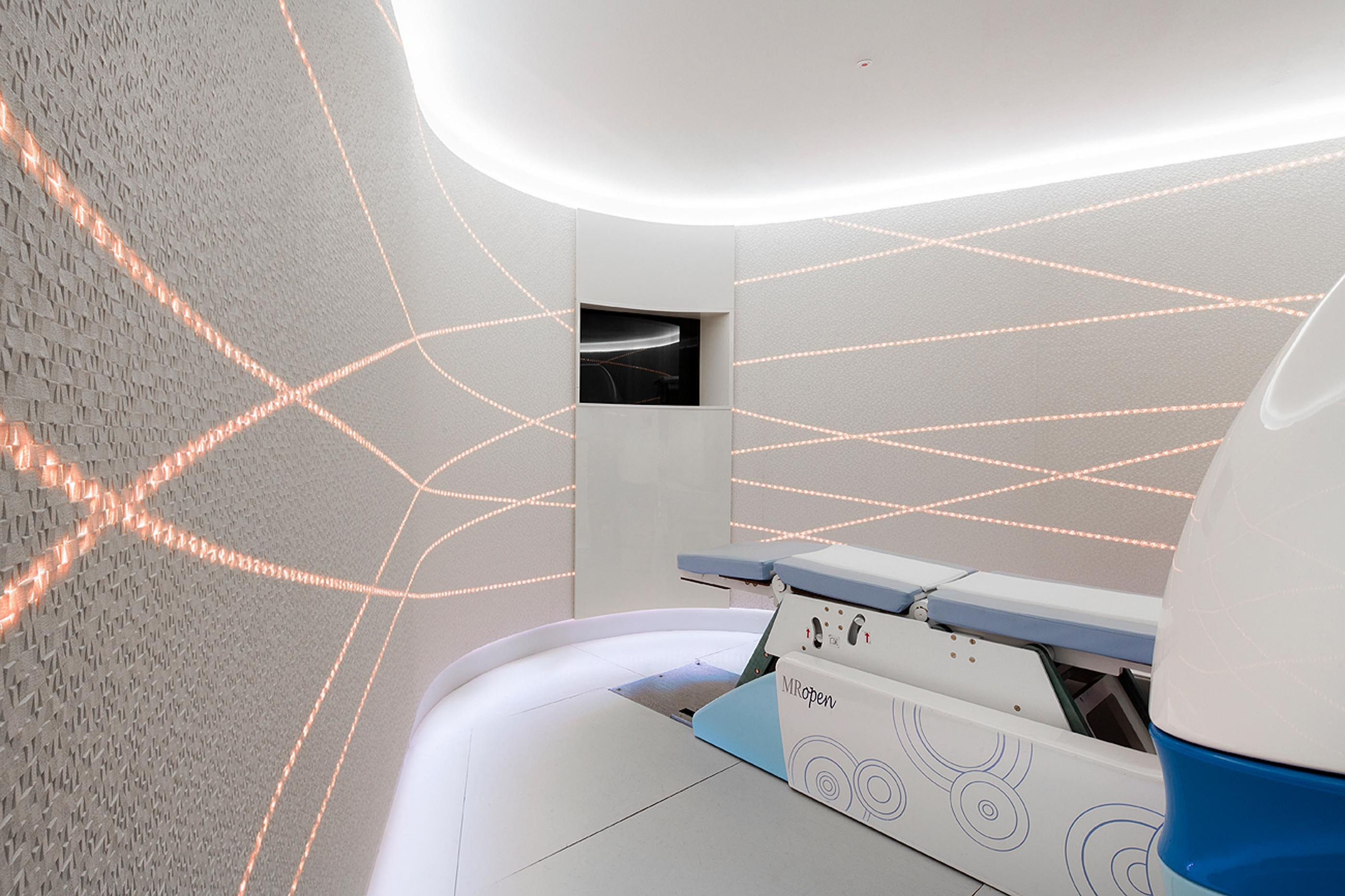
Colour-changing Rako lighting, Control4 background music and Ruckus Wi-Fi at a Harley Street scanning centre.
Explore Harley Street: Rako Lighting & Integrated AudioSelected work
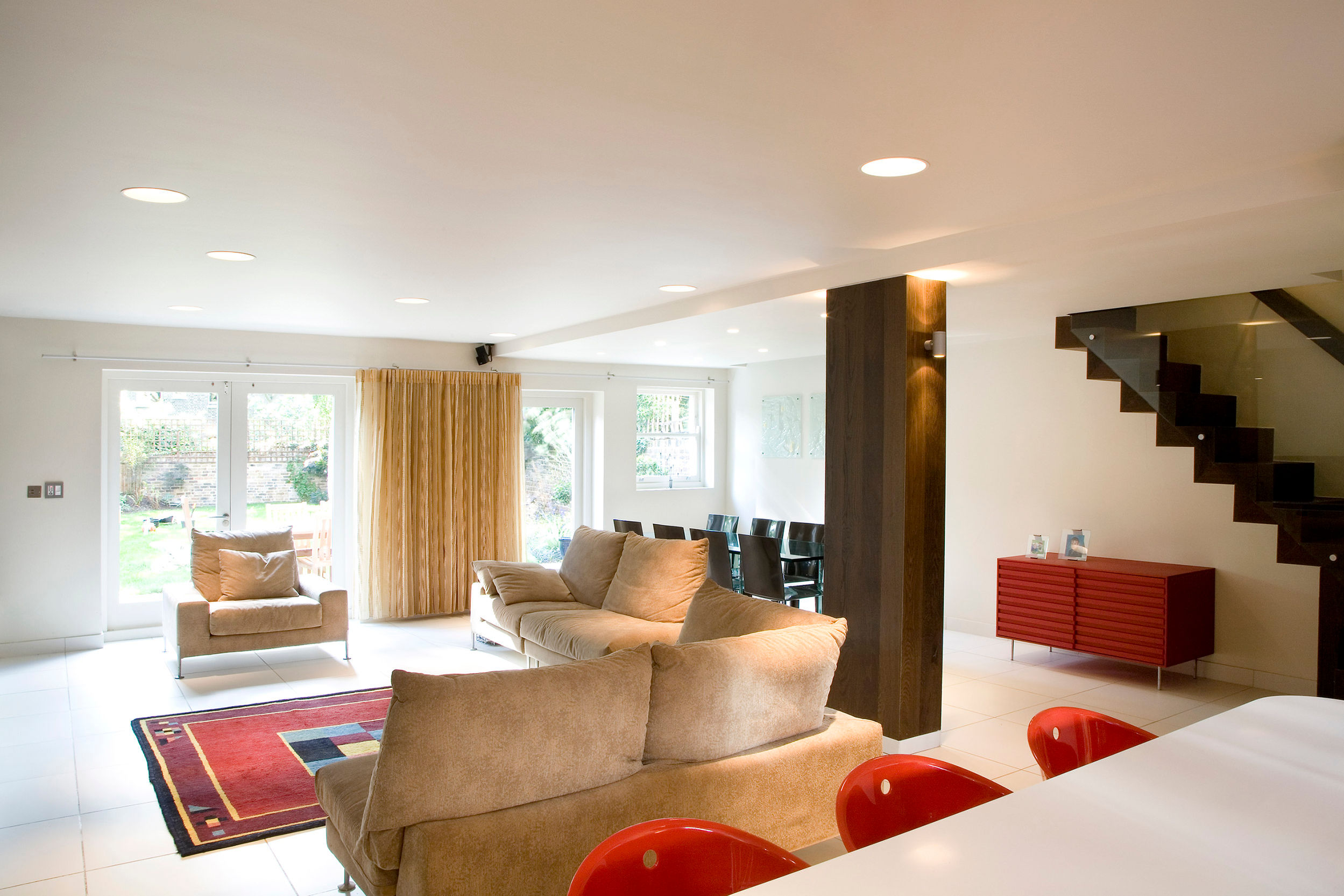
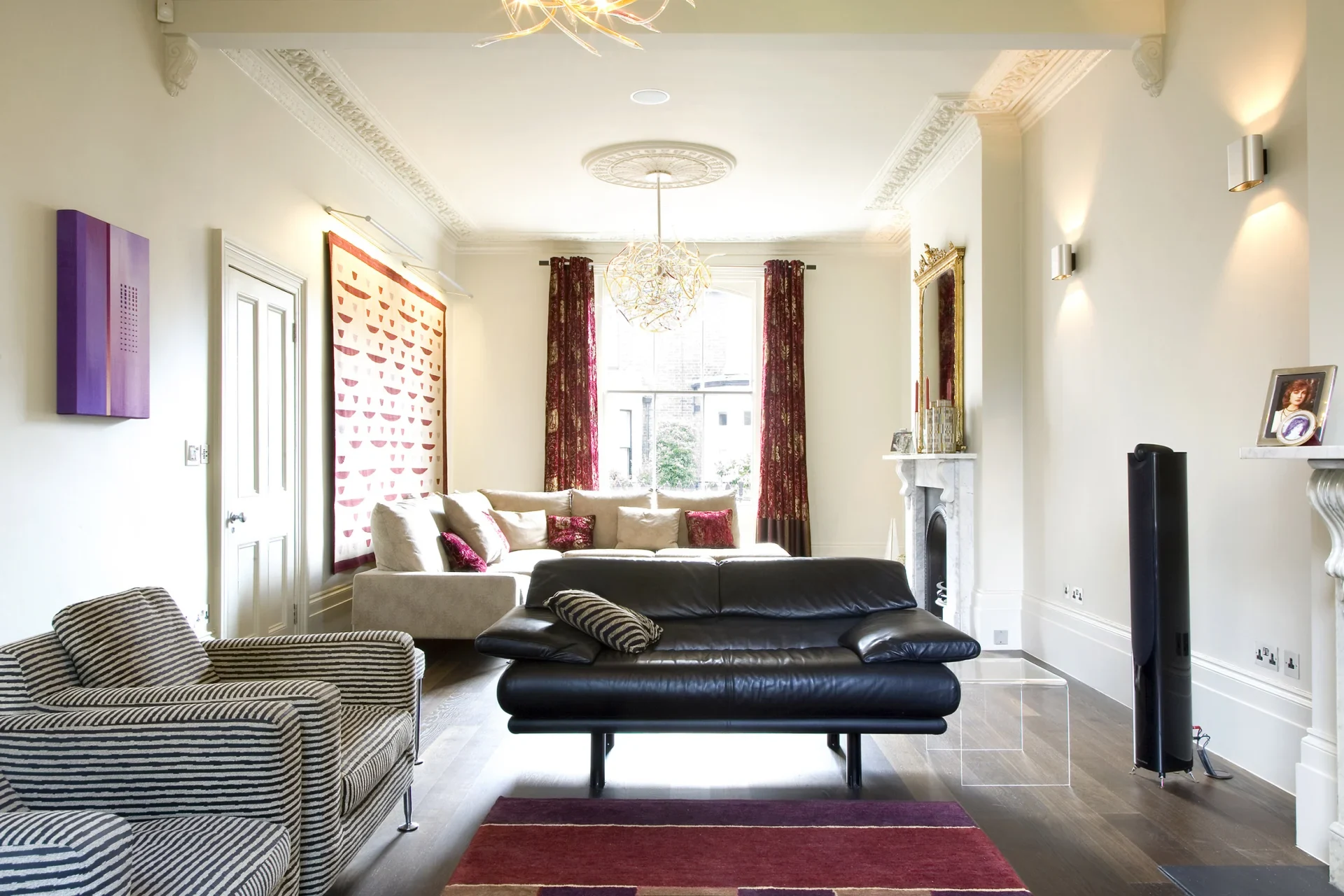
Rako lighting, Orluna fittings, whole-home music and Ruckus Wi-Fi in a listed Highbury home.
Explore Highbury House: Rako Lighting & Whole-Home AudioUseful reading
Insights
Compare Rako and Lutron for your home: wiring, keypads, scenes, shading and complete installation costs, with a practical UK design approach.
Explore Rako vs Lutron: Choosing Lighting Control for Your HomeInsights
Explore wired and wireless Rako controls, room scenes and options for bringing an existing lighting installation up to date.
Explore What Is a Rako Lighting System?Talk to an engineer
Share your ideas for the home. We will help shape the design, installation or ongoing care around you.
Continue exploring
Selected work
Colour-changing Rako lighting, Control4 background music and Ruckus Wi-Fi at a Harley Street scanning centre.
Explore Harley Street: Rako Lighting & Integrated AudioSelected work
Rako lighting, Orluna fittings, whole-home music and Ruckus Wi-Fi in a listed Highbury home.
Explore Highbury House: Rako Lighting & Whole-Home Audio