Flashing or flickering
Review the load, lamp or driver, dimming range and module behaviour.

Services
Restore reliable Rako lighting, refresh your favourite scenes and get ongoing support for an existing London home.
Rako fault finding
Enjoy dependable controls and lighting scenes that feel right again. We trace flickering lights, unresponsive keypads and intermittent behaviour through the system, then recommend a clear repair or improvement plan.
Review the load, lamp or driver, dimming range and module behaviour.
Check control commands, module output, local wiring and the condition of the connected load.
Separate control, bridge, network, configuration and communication issues.
Identify equipment, access and existing configuration before making avoidable changes.
Share the rooms affected and the changes you would like to make.
We test the controls, lighting and connections to identify the cause.
We carry out the agreed repair or programming work and show you the improvements.
Tell us where the lights or controls need attention.
Let us know about new lamps, a renovation or a router change.
Visible keypads and equipment labels help us prepare. Leave electrical enclosure access to the engineer.
Keep any existing programming files and handover information ready for the visit.
Resolve the identified lighting, module or communication fault.
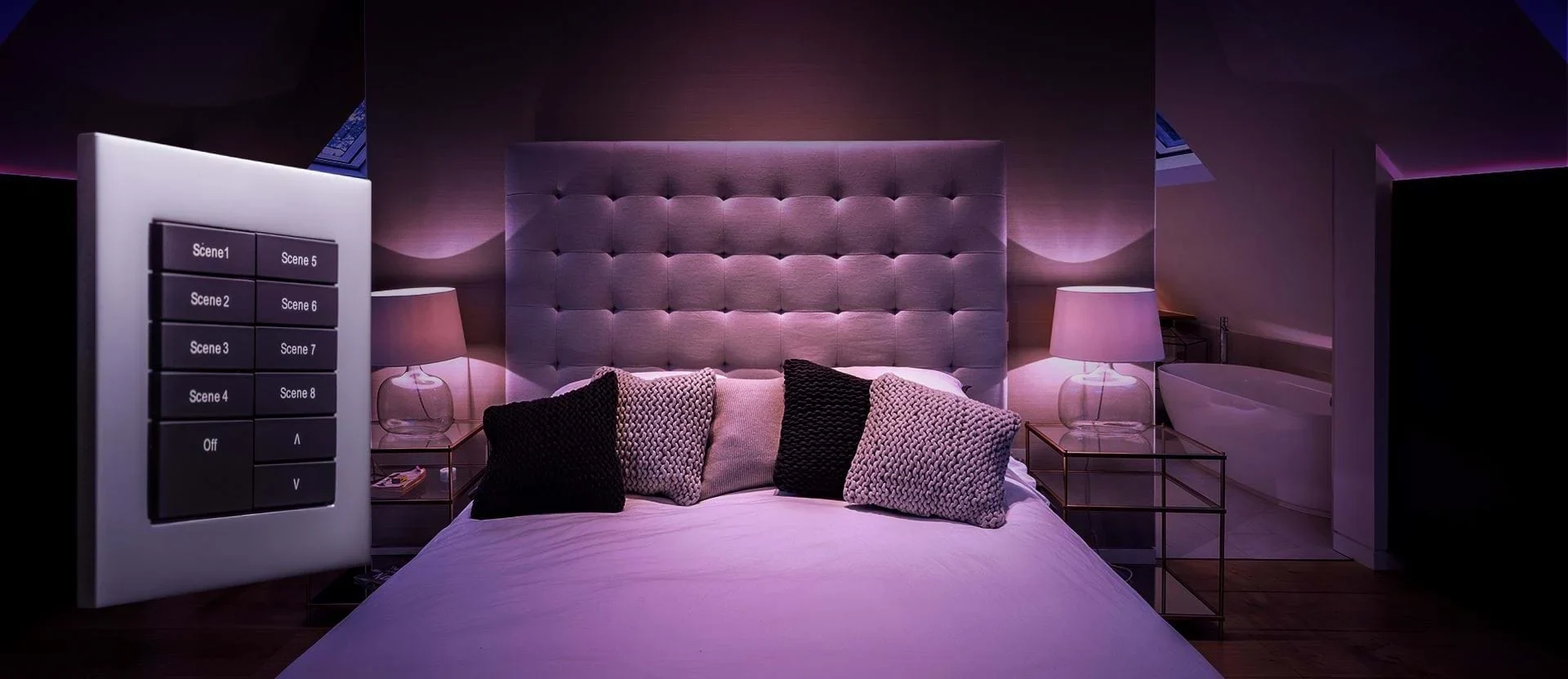
Adapt buttons and lighting levels to the way you use the home today.
Explore compatible equipment and a coordinated upgrade when you want more from the installation.
We trace flickering through the lamp, driver, dimming module and controls to identify the cause and recommend the right repair.
Yes. We review wired and wireless Rako systems, identify the installed equipment and prepare a service or upgrade plan around your home.
Tell us which rooms are affected and what happens. Photographs of visible controls and any existing system records help us prepare.
We review your current programming and equipment, then plan new scenes and button functions around your daily routines.
Yes. We match lamps and drivers to the installed controls, helping restore smooth dimming and consistent light across the room.
We explain the findings and the proposed repair, including any parts and follow-up work, so you have a clear route to reliable lighting.
From brief to handover
Tell us about your home, the way you live and what you would love to create.
We bring lighting, AV and controls together in a coordinated plan for your home.
Our team installs, programmes and fine-tunes the agreed system around your project.
A personal handover introduces your controls, with useful records and ongoing care options.
Useful reading
Insights
Plan a useful Rako service visit: understand your existing lighting, check lamp compatibility, refine room scenes and keep clear records for future support.
Explore Getting More from Your Existing Rako LightingTalk to an engineer
Tell us what you would like to improve. Our team will help arrange an engineer review and a clear plan for your home.
Continue exploring
Services
Approved Rako installer and distributor with more than 20 years installing and repairing Rako in London. Wired, wireless and retrofit lighting control.
Explore Approved Rako Lighting Installers in LondonServices
A considered handover for existing Lutron, Savant, KNX, Crestron, Control4, RTI, Sonos and network systems. Engineer assessments and tailored ongoing care.
Explore Smart Home System Takeovers & Ongoing CareSelected work
Explore London Electricals and GLO Audio Visual projects: Lutron lighting, shading, cinema, home control and commercial installations.
Explore Lighting, Cinema & Connected Homes