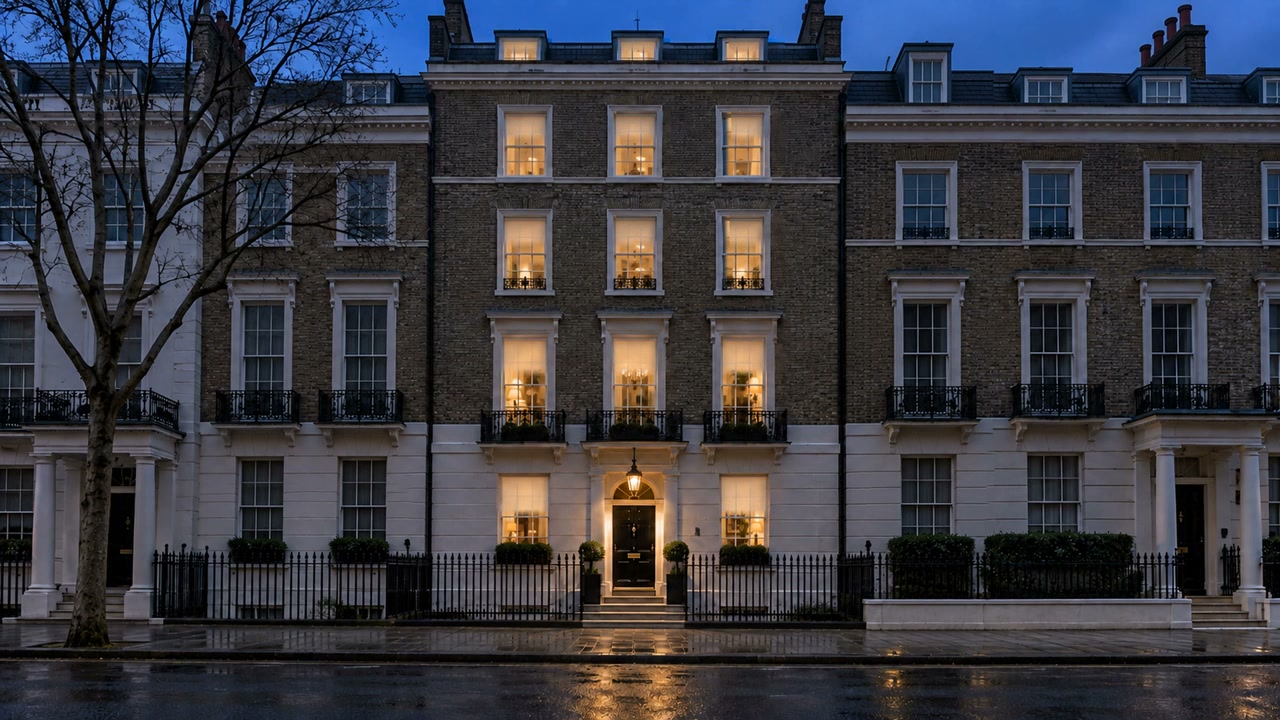
New build
Bring lighting, shading and room controls into the architecture from the start, with a coordinated plan for your design team.


Services
Beautiful lighting at a touch. Lighting-control design, installation, scene programming and ongoing support for London homes and commercial spaces.
Bring lighting, shading and room controls into the architecture from the start, with a coordinated plan for your design team.
Refresh the atmosphere and everyday controls while making good use of the existing installation.
Explore wireless and hybrid options for adding thoughtful scenes and convenient controls to a finished home.
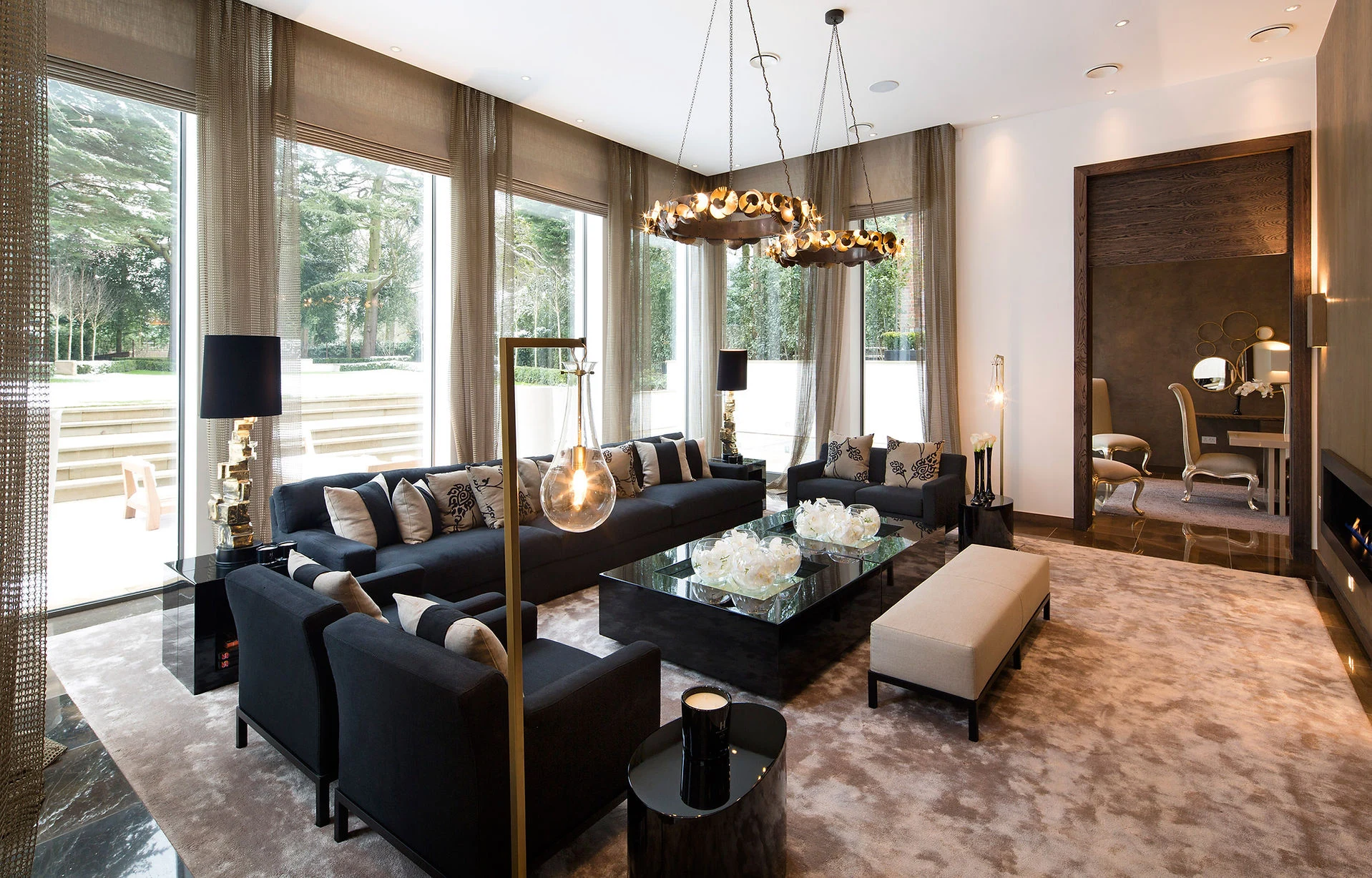
Create flexible lighting for welcoming guests, working comfortably and adapting the space throughout the day.
Restore dependable control, update scenes and plan the next chapter for the lighting already in your home.
Start with the atmosphere you want to create and the way you want to control it. We match the lighting platform to your rooms, project stage, preferred keypads and plans for shading and wider integration.
Bespoke whole-home lighting and shading, with refined keypads, carefully programmed scenes and integration with the wider home.
Wireless control options for existing homes and phased renovations. We help RadioRA 3 clients plan a new system and RA2 Select owners extend, support or upgrade their installation.
Wired, wireless and hybrid lighting control for new interiors, refurbishment and existing Rako homes, with scenes tailored to each room.
Commercial lighting control planned around the space, its users and daily operation, with coordinated installation and commissioning.
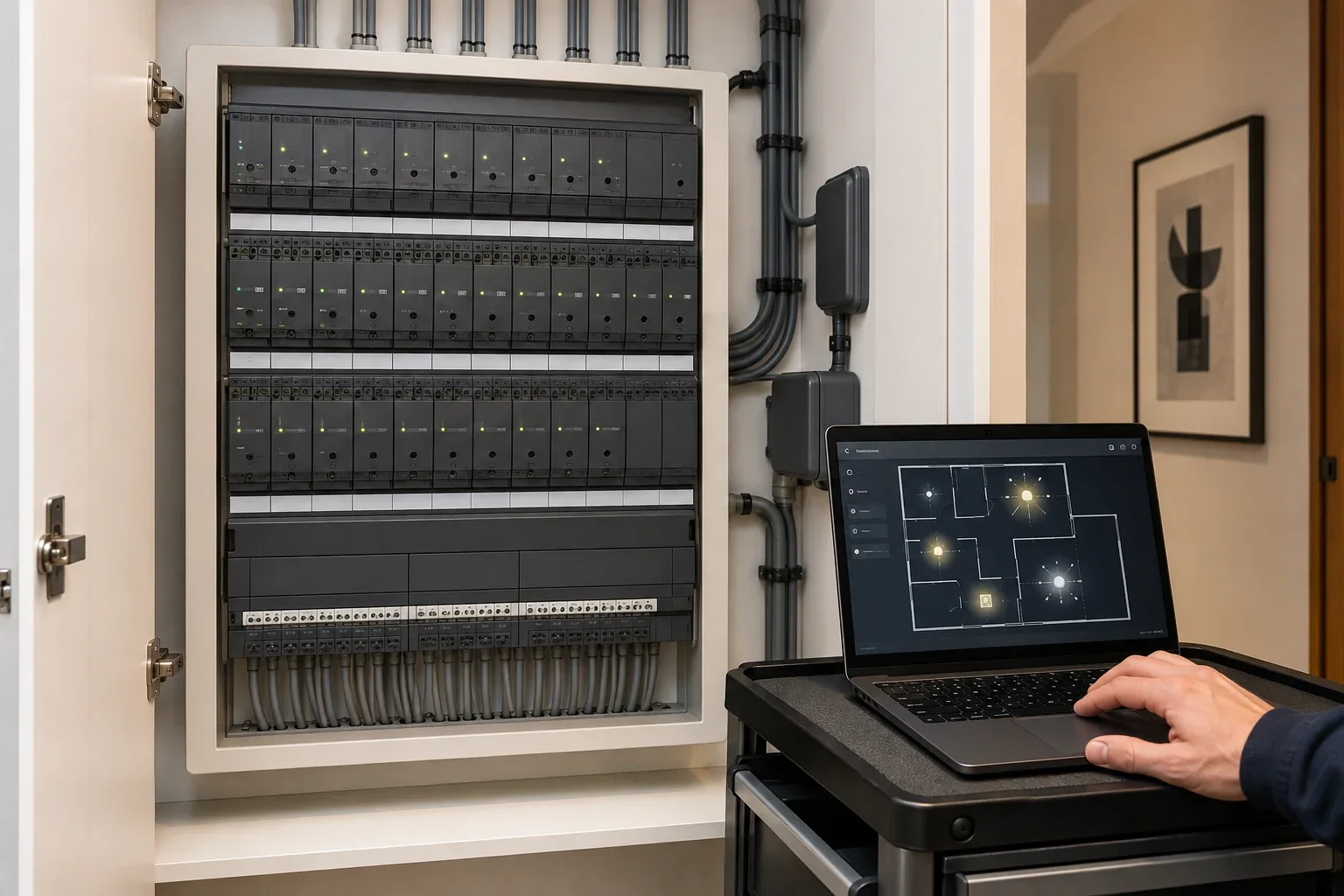
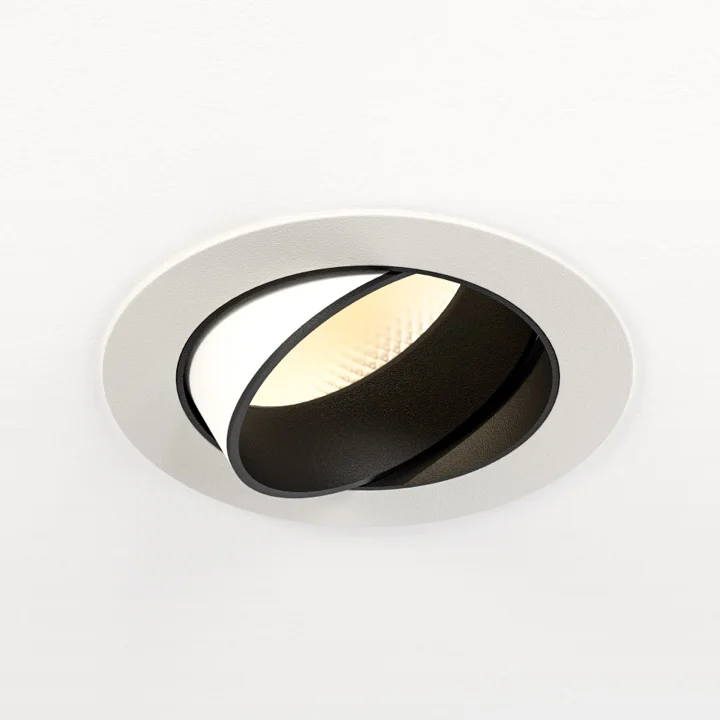
We match fittings, drivers and controls for smooth dimming, then refine the levels and transitions that give your scenes their character. Lighting circuits, panels and interfaces come together in one coordinated design.
Keypad positions, cable routes, shading and equipment access are planned with the project team. You choose the experience and finishes; we take care of the technical detail that makes them work.
Tell us how you use the rooms and how you want the lighting to feel.
Choose the controls, finishes and scenes while we coordinate fittings, drivers and system layout.
We prepare the schedules and installation information for your architect, designer and contractors.
We install and programme the agreed system, fine-tuning the scenes in the finished rooms.
A personal handover introduces your controls, with useful records and ongoing support options.
We welcome lighting-control systems installed by another company. Your engineer gets to know the installation, identifies the cause of any recurring faults and discusses the changes you would enjoy.
From restoring a favourite scene to a planned whole-home upgrade, we build a practical proposal around the equipment you have and the result you want.
We help you choose by looking at your rooms, preferred controls, lighting and shading, and the stage of your project. The result is a system designed around your home and your daily life.
Yes. Wireless and hybrid options offer useful routes for existing homes. We review the wiring, fittings and layout to design an installation that fits your refurbishment plans.
We coordinate with your lighting designer and product suppliers to match fittings, drivers and controls for smooth dimming and beautifully balanced scenes.
Yes. We get to know your system, investigate the areas you want to improve and recommend a clear repair, refresh or upgrade plan.
Yes. We coordinate the lighting-control design with your installation team, bringing panels, wiring, fittings and commissioning into one organised delivery plan.
Explore our Woodrow Mansion, St John’s Wood and Alwyne Place case studies to see how lighting control works alongside interiors, audiovisual systems, heating and the network.
Share your ideas, a room list or your project plans. We will help you choose the right direction.
From brief to handover
Tell us about your home, the way you live and what you would love to create.
We bring lighting, AV and controls together in a coordinated plan for your home.
Our team installs, programmes and fine-tunes the agreed system around your project.
A personal handover introduces your controls, with useful records and ongoing care options.
Useful reading
Insights
Why a new home needs lighting and shading design before first fix: architectural intent, Lutron HomeWorks scenes, design-team coordination and careful commissioning.
Explore Lighting Design for a New Home: Why It Must Start Before First FixInsights
LED lights flickering or dimming poorly? Learn what to record, why lamp, driver and control compatibility matters, and when to arrange an assessment.
Explore LED Lights Flickering? Dimmer and Lighting-Control ChecksInsights
Keep the warmth you enjoy while improving your lighting with well-chosen LED fittings, beam control and smooth dimming.
Explore Upgrading Halogen Lighting to LEDTalk to an engineer
Share your ideas for the home. We will help shape the design, installation or ongoing care around you.